Gas might not be the most exciting part of motorhoming, but get it wrong and it quickly becomes the most annoying. Cold showers, fridges cutting out and heaters refusing to fire up have a habit of spoiling a trip.
The good news is that one major decision has already been made for you – the best motorhomes nowadays are designed to run on propane. Appliances, regulators and ventilation are all specified with propane’s characteristics in mind. So rather than debating gas types, the real question most motorhomers face is much simpler: Do you stick with exchanging propane bottles, or move to a refillable system?
Should you decide you want to tour without gas, too, don’t miss our guide to eco-friendly motorhoming.
Why propane is the standard
Propane vaporises at temperatures as low as around -40°C. This feature makes propane ideal for winter motorhoming and destinations at a higher altitude. This is the primary reason manufacturers choose propane.
Exchangeable propane bottles: familiar and straightforward
For many motorhomers, exchange bottles are the default – and for good reason.
Advantages
- Low upfront cost
- Widely available across the UK
- No installation required
- Simple, familiar and proven
For short UK trips, weekend breaks and summer holidays, exchange bottles do the job perfectly well. You swap an empty one for a full one and continue on your way.
There’s very little to think about, which is precisely how many people like it.
However, they do have some downsides – and it’s when trips become longer, more frequent, or you take the ferry or Eurotunnel to venture beyond the UK that these limitations can become more of an issue.
Drawbacks
- Bottles are heavy and awkward to lift
- You pay for the gas left behind in returned bottles
- Availability can be patchy in rural areas
- Bottle fittings and sizes vary abroad
Regulators: worth a quick check
Most modern motorhomes are fitted with a bulkhead-mounted 30mbar regulator designed for propane systems. They work with both exchange and refillable bottles. Some campervans may use a bottle-mounted regulator. These work well but can restrict your options if looking to change your set-up. They are also more susceptible to damage.
Touring abroad
Stick with exchange bottles and tour overseas, and you’ll quickly discover that propane bottle fittings vary from country to country.
The result is that you’ll need to carry a range of pigtail connectors – the short, flexible pipe that attaches the bottle to your regulator. Plus, you will want to keep your empty bottles so you can reuse them when you return to the UK.
Some motorhomers are very happy with that. Others, like me, decide there’s an easier way.
Refillable systems: convenience for frequent touring
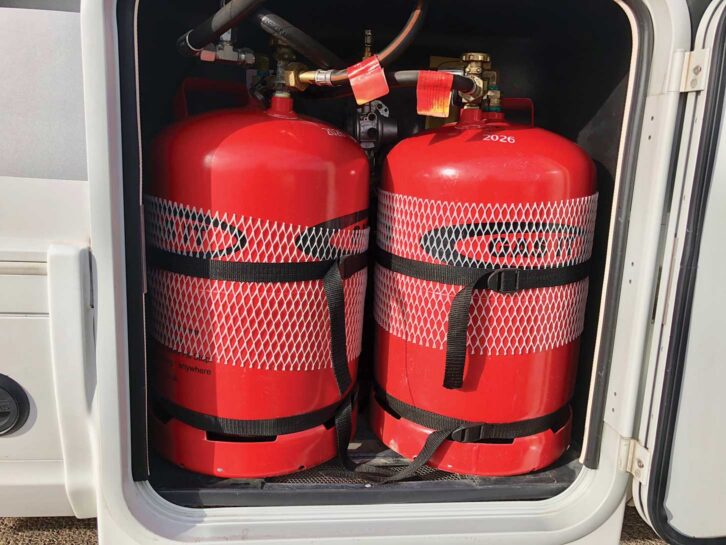
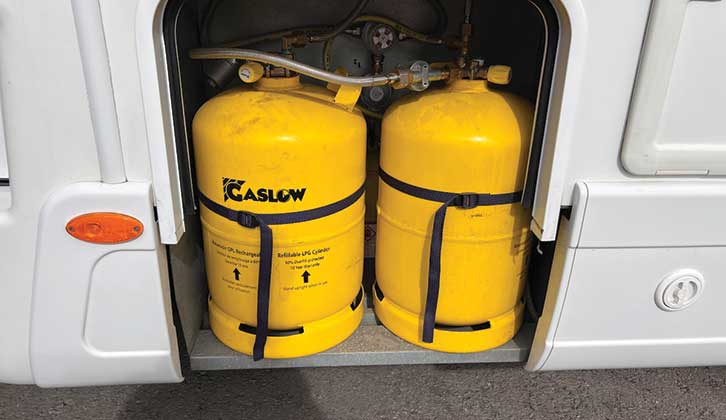
These motorhome upgrades from brands such as Gaslow and Alugas eliminate the need to swap bottles altogether. Instead, you refill at LPG pumps, just as you would with diesel. These systems have a fixed refill point on the outside of the vehicle.
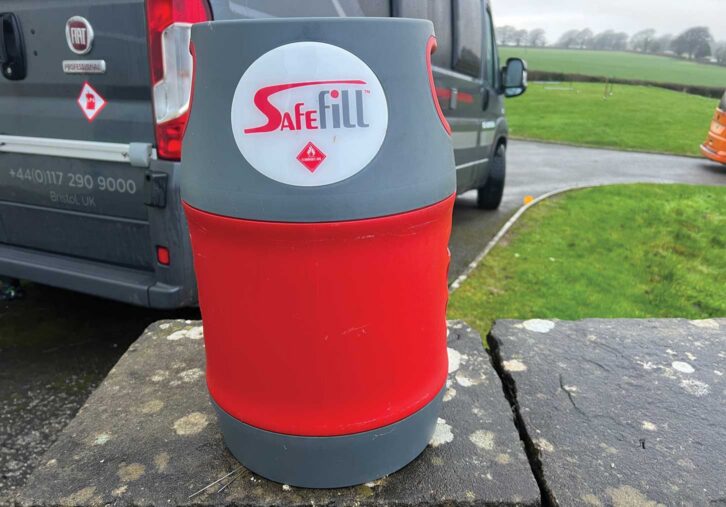
Alternatives include brands such as Safefill, which offer refillable bottles that you can remove from the vehicle for refilling.
Advantages
- No heavy bottle lifting
- Refill across the UK and much of Europe
- Pay only for the gas you use
- Easy to top-up before a long trip
- Particularly convenient for those who enjoy touring Europe in a campervan or motorhome
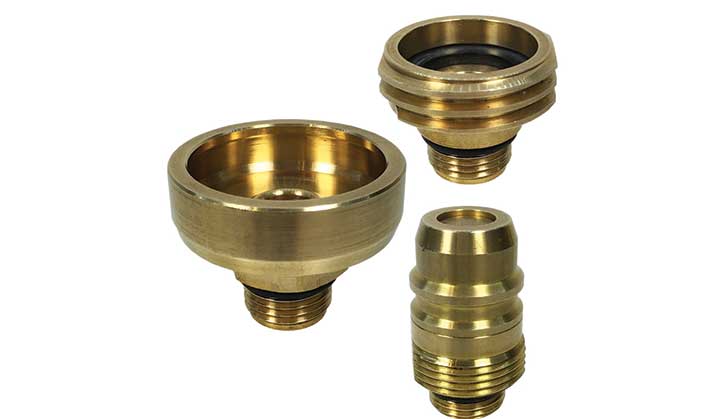
The most significant difference is the ability to refill anywhere. You may require a refill pump adapter designed for the country you are in. The bottle manufacturer can supply these.
Drawbacks
- Higher upfront cost
- Installation required
- LPG availability is reducing in some areas
- Less cost-effective for occasional use
If you only tour a few weeks a year in the UK, it can be hard to justify the expense.
Refillable bottles or underslung tanks?
Refillable systems come in two primary forms:
- Refillable bottles that sit in the gas locker and can often be reinstalled in a future motorhome.
- Underslung tanks, permanently mounted beneath the vehicle, freeing locker space and lowering the centre of gravity.
Underslung tanks cost more to install and are often vehicle-specific. They are widespread among long-term and full-time tourers.
Safety and legality
Proper refillable propane systems are explicitly designed for refuelling and include safety features such as overfill protection and automatic shut-off valves.
Refilling standard exchange bottles is unsafe and illegal – refillables are purpose- built and certified for the job.
Match the system to how you travel
Which system isn’t really about right or wrong – instead, it’s about usage.
For short UK trips and occasional holidays, exchange propane bottles are simple, affordable and perfectly adequate.
For longer trips, year-round touring, or travel outside the UK, a refillable propane system makes a lot more sense.
The more often you tour – and the further you go – the more attractive refillables become.
Final word
For most new motorhomers, exchange bottles are a sensible place to start. They’re familiar, easy and work well for short-term UK touring.
But if your trips grow longer, stretch into winter or head beyond the UK, a refillable system can remove a lot of hassle.
Choose what suits how you travel now – and remember, upgrading later is always an option.
That flexibility, just like motorhoming, is all part of the fun!
A word of advice from our technical expert, Diamond Dave, however – it’s crucially important to avoid blocking the gas vents in your motorhome.
You can find out more about Motorhome Matt and listen to his podcast at motorhomematt.co.uk
If you’ve enjoyed reading this, why not get the latest news, reviews and features delivered direct to your door or inbox every month. Take advantage of our brilliant Practical Motorhome magazine SUBSCRIBERS’ OFFER and SIGN UP TO OUR NEWSLETTER for regular weekly updates on all things motorhome related.
Leave a Reply