So what is the cheapest way to own a campervan?
It’s something you’re likely to ask yourself, whether you’re thinking of getting a new ‘van or one of the best used campervans. Well, the first thing to do is to assess your own skill set.
Can you handle mechanical repairs? Welding if necessary? Carpentry, plumbing, electrics? Do you have somewhere to park it where you can work on it? Establish your budget and be realistic.
These days five grand will likely get you something that needs lots of work and a fair bit of cash spending on it, so allow several thousand pounds for repairs.
I would be cautious about ’vans that private individuals have converted – self-build campervans. I’ve seen a few very competent conversions, but I’ve also seen some that are, in my opinion, at bit dodgy if not dangerous, and sometimes they are asking for quite large sums of money as well.
So if it’s time to go and look for a cheap camper, bear in mind that it’s going to be an older model. Campervans that will cost £5000 are going to be getting on for 30 years old, and perhaps even older.
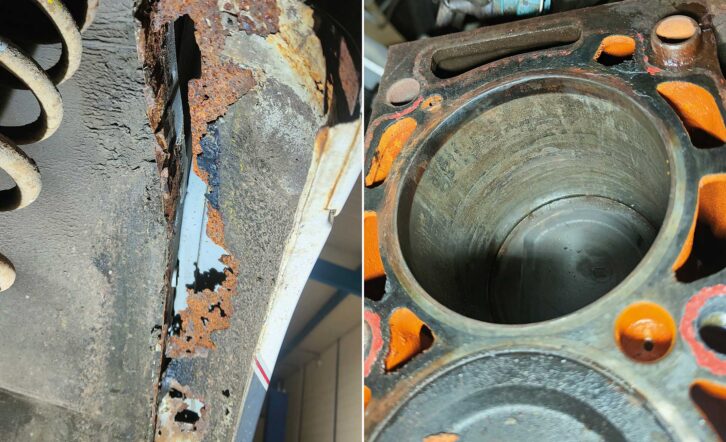
You should always check the MoT history and – unless you are a proficient welder or know someone who will help out for a few beer tokens – steer clear of anything with recurring corrosion failures, particularly if they are in the same locations.
Also, watch out for recurring failures in areas such as brakes, discs, pads, shoes and wheel cylinders – all of this can cost hundreds of pounds just for the parts.
Interior and tyres
Don’t get too hung up on interior condition; as long as it’s all there and tidy, and appliances can be seen working, that is good enough for now (although you should get gas and electrical systems tested asap). You can tidy up the interior later. Our first motorhome was a bare van that I built very basic furniture into, and we had a lot of family fun in that old banger.
Have a good look at the tyres, not just for tread depth but also check their manufacture dates and general condition. Unless you’re looking at a micro camper, make sure that the tyres are C rated for commercial use.
I’ve said it many times before, but those black circles are the only parts of a vehicle that should be touching the road and they carry all the weight plus coping with acceleration, steering and braking forces.
If there’s the slightest sign of sidewall cracking or cracking in the tread pattern you need to allow for new tyres, which could cost anywhere from a few hundred pounds to a thousand or more, depending on the size and number of tyres needed.
If you have children you will need belted seats for all of them, and a lot of older ’vans only had belts on the two cab seats. Retro-fitting belts is technically possible but a difficult thing to achieve and then get certified.
Don’t miss what I had to say when I debunked three common motorhome myths, too.
Lead image: Getty Images
If you’ve enjoyed reading this, why not get the latest news, reviews and features delivered direct to your door or inbox every month. Take advantage of our brilliant Practical Motorhome magazine SUBSCRIBERS’ OFFER and SIGN UP TO OUR NEWSLETTER for regular weekly updates on all things motorhome related.